Easy Woven Cowl Pattern: Free Step-by-Step Crochet Tutorial
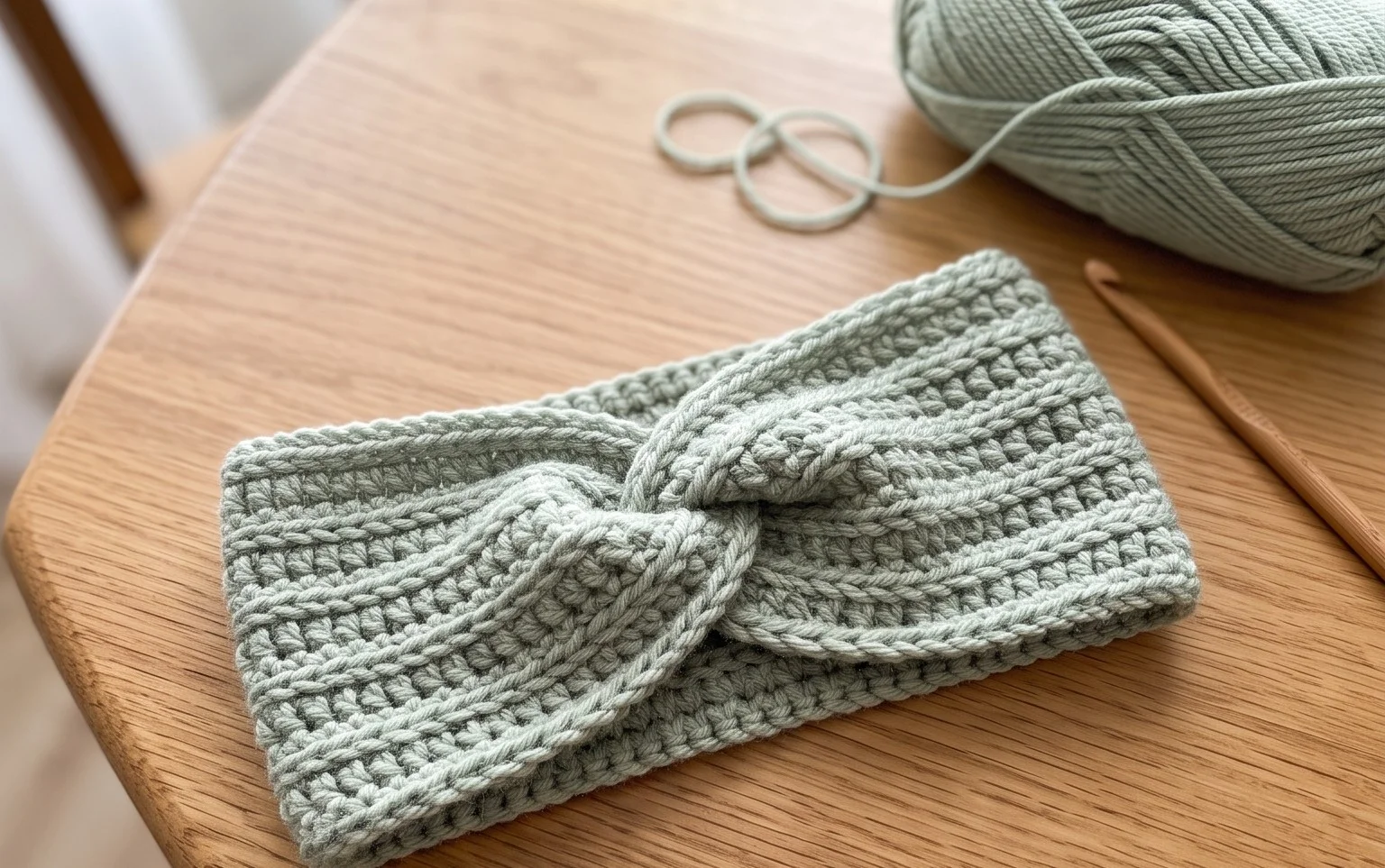
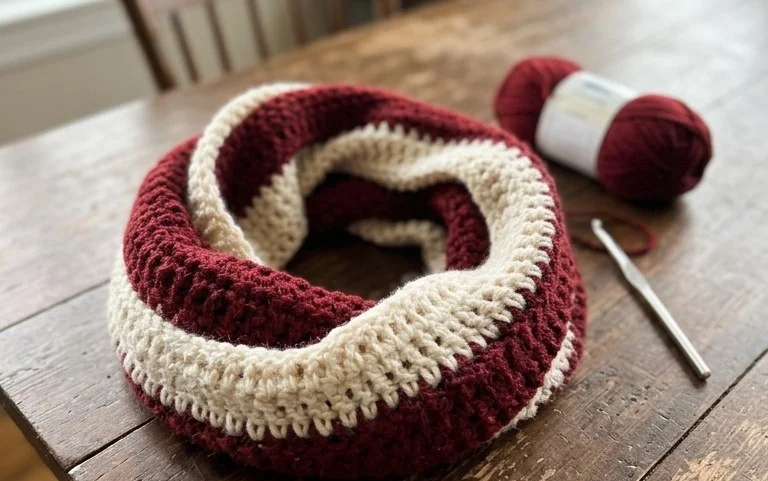
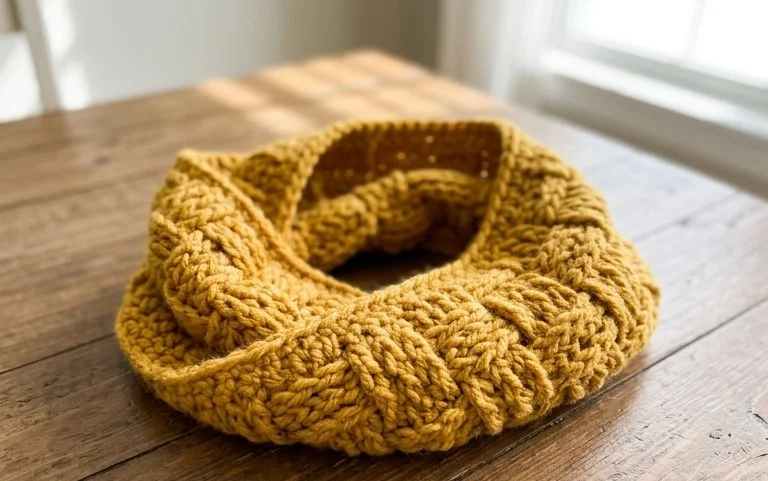
This neck warmer creates a dense, squishy fabric that mimics the look of a traditional loom weave while remaining soft against the skin. You will find that the alternating post stitches lock together to keep out the winter chill, making it a reliable piece for chilly morning commutes or outdoor walks. It suits beginners who feel comfortable with basic chain and double crochet stitches, as well as those who enjoy making thoughtful handmade gifts for friends. Throughout this guide, you will master the specific placement of stitches that creates the braided texture without needing any advanced tools or complex assembly.
Why You’ll Love This Pattern
The Classic Crochet Granny Square is the fundamental building block of crochet heritage, favored for its modular nature and meditative rhythm. You will appreciate how quickly each square works up, making this an ideal project for using up leftover yarn scraps from larger blanket or garment projects. Because the pattern relies on repeating clusters of double crochet stitches, it creates a balanced, stable fabric that does not warp easily. Beginners often find this pattern the most effective way to master tension and consistent stitch spacing, while advanced makers enjoy the mindless, portable nature of the repetitive rounds.
I managed to finish a dozen of these for a scrap blanket in just one weekend, and the instructions were clear enough that I could crochet while listening to podcasts without losing my place.
— Sarah, hobbyist maker
Pattern Overview & Skill Level
- Skill Level: Beginner
- Approximate Time: 30 to 45 minutes per square
- Construction: Worked in rounds, starting from the center and moving outward
- Finished Dimensions: Approximately 5 inches by 5 inches using medium weight yarn
Materials & Supplies Needed
- Yarn: Worsted weight (#4), 100% acrylic or wool blend, approximately 20 yards per square.
- Hook Size: 5.0 mm (US H-8).
- Notions: Yarn needle with a large eye for weaving ends, sharp scissors.
- Safe yarn substitutions: You may use DK weight yarn for a smaller square or bulky weight yarn for a larger square. Note that changing the weight will require a hook size adjustment to maintain the integrity of the fabric.
Stitch Guide & Abbreviations (US Terms)
- ch = chain
- st = stitch
- sl st = slip stitch
- dc = double crochet
- cluster = a group of 3 dc worked into the same space
- sp = space
- MR = magic ring
Step-by-Step Pattern Instructions
Granny Square Body
- Rnd 1: Start with a MR. Ch 3 (counts as first dc), work 2 dc into the ring, ch 2, 3 dc into the ring, ch 2 three times. Join with a sl st to the top of the beginning ch 3. (12 sts)
- Rnd 2: Sl st into the next 2 sts and into the first ch-2 corner sp. Ch 3, 2 dc in the same sp, ch 2, 3 dc in the same sp. Ch 1, (3 dc, ch 2, 3 dc) in the next corner sp. Repeat from * to * two more times. Ch 1, join with a sl st to the top of the beginning ch 3. (24 sts)
- Rnd 3: Sl st into the next 2 sts and into the next ch-2 corner sp. Ch 3, 2 dc in the same sp, ch 2, 3 dc in the same sp. Ch 1, 3 dc in the next ch-1 side sp, ch 1, (3 dc, ch 2, 3 dc) in the next corner sp. Repeat from * to * two more times. Ch 1, 3 dc in the last side sp, ch 1, join with a sl st to the top of the beginning ch 3. (36 sts)
- Rnd 4: Sl st into the next 2 sts and into the next ch-2 corner sp. Ch 3, 2 dc in the same sp, ch 2, 3 dc in the same sp. [Ch 1, 3 dc in the next ch-1 side sp] repeat until the next corner sp, ch 1, (3 dc, ch 2, 3 dc) in the corner sp. Repeat from * to * around. Join with a sl st to the top of the beginning ch 3. (48 sts)
Finishing
Fasten off your yarn leaving a 6-inch tail. Pull the tail through the final loop to secure the knot. Use your yarn needle to weave the tail back and forth through the back loops of the stitches on the reverse side of the square to ensure it does not unravel.
Care & Washing Instructions
- Machine wash in cold water on a delicate cycle using a mild detergent.
- Lay the square flat on a clean towel to air dry, reshaping it with your hands while damp.
- Steam blocking is recommended if you intend to join multiple squares together for a garment or blanket to ensure uniform edges.
Pro Tips & Common Mistakes to Avoid
- Maintain consistent tension by holding your yarn with light, even pressure, especially during the ch-1 spaces between clusters.
- Use a stitch marker in the first stitch of every round to avoid losing your place, particularly if you are switching colors frequently.
- Weave in your ends as you go, rather than waiting until you have a stack of finished squares, to prevent the chore from becoming overwhelming.
- If you increase the number of rounds to make a larger square, remember that each additional round adds 12 stitches to your total count.
Frequently Asked Questions
Can I use cotton yarn instead of acrylic?
Yes, cotton works well for these squares, though it has less elasticity than wool or acrylic. You may find you need to hook slightly more tightly to maintain the same dimensions.
How do I adjust the size of the square?
Simply continue repeating the logic of Rnd 4, where each corner receives (3 dc, ch 2, 3 dc) and every side space receives 3 dc separated by ch-1 spaces.
Is this pattern suitable for complete beginners?
This pattern is widely considered the best project for beginners because it introduces basic techniques like chains, double crochets, and working into spaces rather than individual stitch loops.
May I sell items made from this pattern?
You are welcome to sell finished products created from this design. Please credit the original pattern designer when listing your items online.
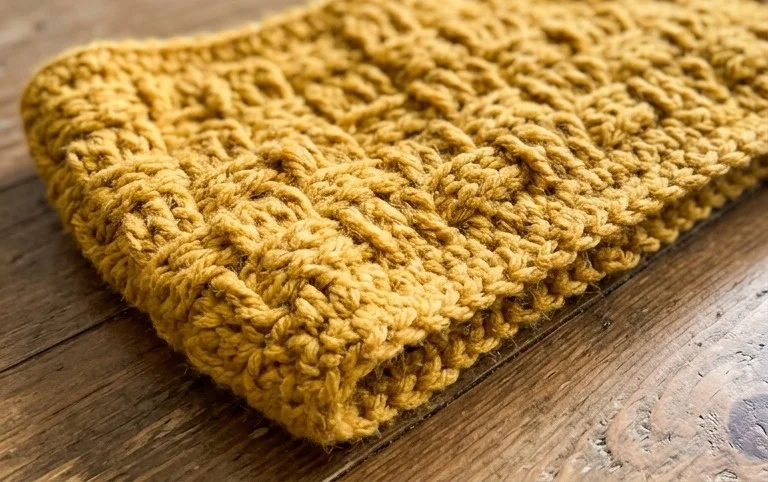
Your finished project provides a cozy layer that holds its shape beautifully through multiple seasons of wear. To change the look, try using a variegated yarn for a colorful, painterly effect that draws attention to the woven texture. Taking a photo of your work helps others see how different fibers affect the drape and style of the piece, so consider sharing your result online. You can find more free patterns and project guides on our blog to keep your needles and hooks busy all winter long.